







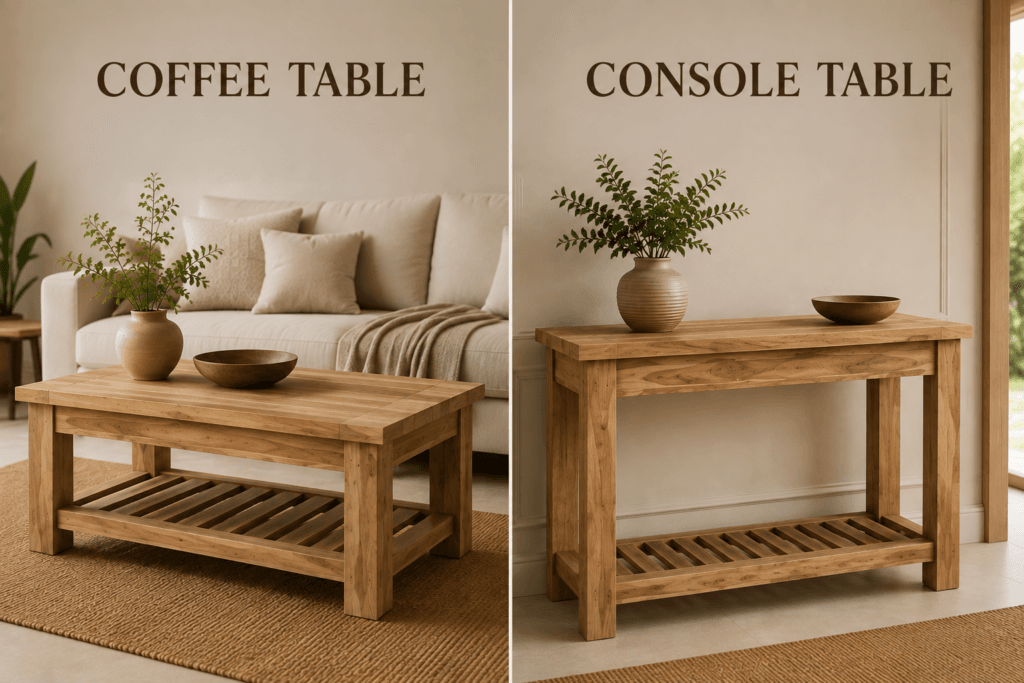
Choosing the right table size is not only about how much space you have. The coffee table size, centre table dimensions, and console table dimensions should all work with the proportions of your furniture and the overall layout of the room.
A table that is too large can make a room feel crowded, while one that is too small may look disconnected from the surrounding furniture. This guide explains the standard dimensions to help you choose the right table for your living room, lounge, or entryway.
Coffee Table Size: What Is Standard?
A coffee table usually sits in front of a sofa and provides a convenient surface for serving drinks, displaying décor, or keeping everyday items within reach.
The ideal coffee table size depends mainly on the size of your sofa and the available walking space.
Common Coffee Table Dimensions
| Coffee Table Type | Typical Length | Typical Width | Typical Height |
|---|---|---|---|
| Small | 36–42 inches | 20–24 inches | 16–18 inches |
| Medium | 42–48 inches | 24–30 inches | 16–18 inches |
| Large | 48–60 inches | 24–36 inches | 16–18 inches |
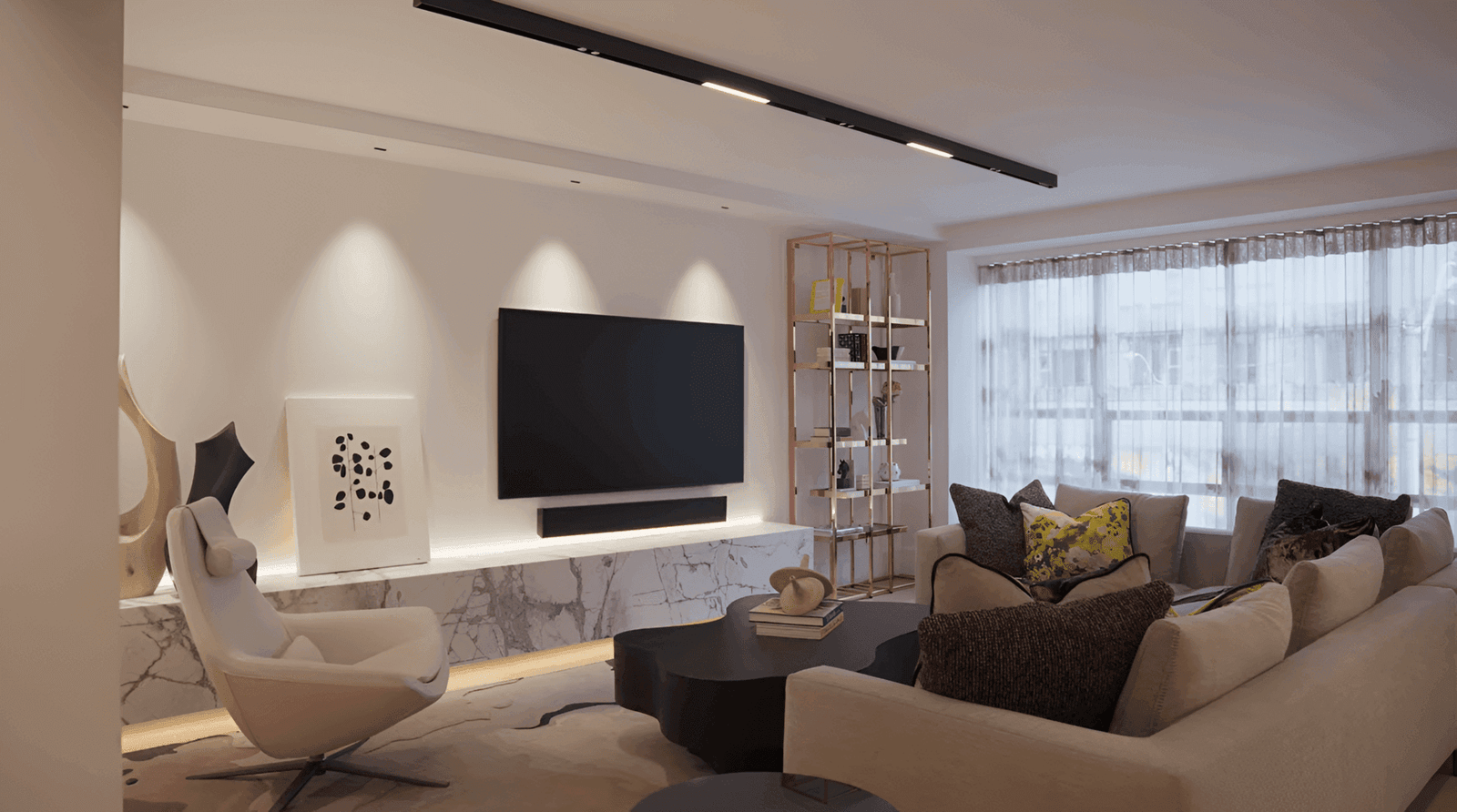
For most living rooms, a coffee table around two-thirds the length of the sofa creates a balanced appearance without overwhelming the seating area.
How Much Space Should Be Around a Coffee Table?
Leave approximately 14–18 inches between the coffee table and the sofa. This gives enough room to sit comfortably while still keeping drinks and other items within easy reach.
You should also leave enough clearance around the table for people to walk through the room comfortably.
Centre Table Dimensions for Different Living Rooms
A centre table is often used as the focal point of a lounge or sitting area. The right centre table dimensions depend on the furniture arrangement, room size, and number of seats.
Small Living Room
- 36–42 inches long
- 20–24 inches wide
- 16–18 inches high
A smaller rectangular, square, or round table can help maintain an open feeling.
Medium Living Room
- 42–48 inches long
- 24–30 inches wide
- 16–18 inches high
These dimensions work well with a standard three-seater sofa and additional chairs.
Large Living Room
- 48–60+ inches long
- 24–36 inches wide
- 16–18 inches high
If you have multiple sofas or a large sectional, a larger centre table can visually connect the entire seating arrangement.
Choosing the Right Coffee Table Shape
Size is important, but shape also affects how comfortably a table fits into the room.
Rectangular Coffee Tables
Rectangular tables are a popular choice for longer sofas. They provide plenty of surface area while following the shape of the seating arrangement.
Square Coffee Tables
Square tables work particularly well with larger seating arrangements where sofas or chairs face each other.
Round Coffee Tables
Round tables can soften rooms with lots of straight lines. They are also useful when you want easier movement around the seating area.
Oval Coffee Tables
An oval table combines the length of a rectangular design with softer edges, making it a practical option for many living rooms.
Console Table Dimensions: What Should You Choose?
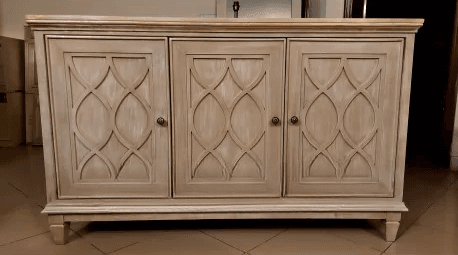
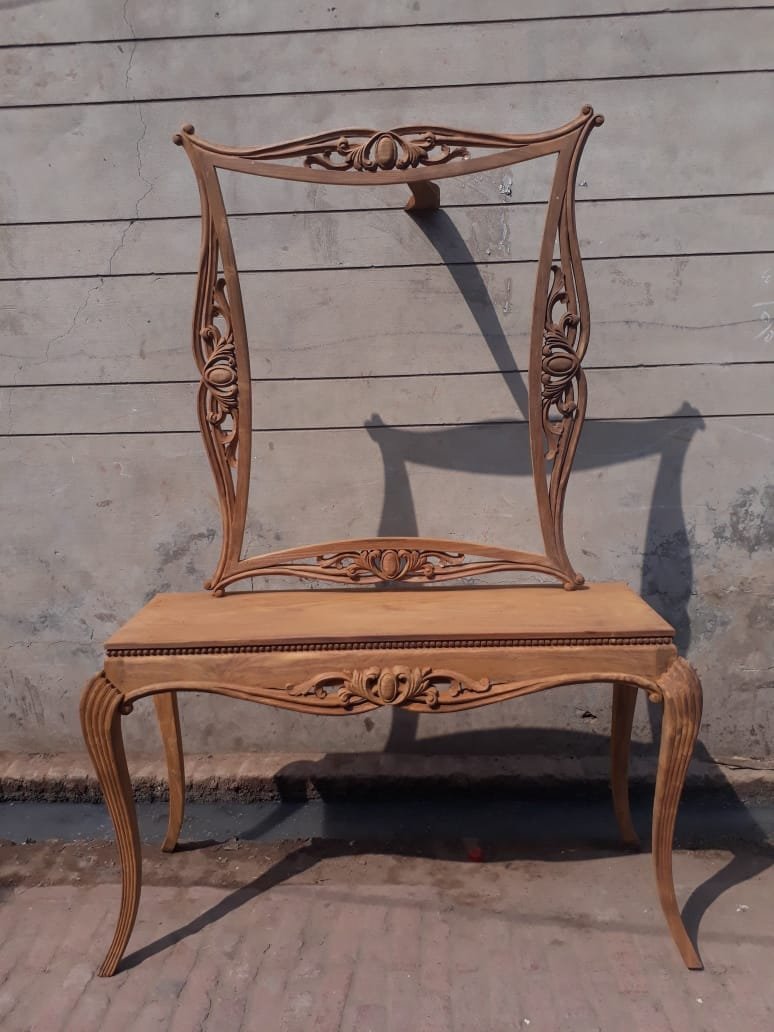
Console tables are generally placed against a wall, behind a sofa, or in an entrance area. Their proportions are different from coffee tables because they are designed to occupy a narrower space.
Typical Console Table Dimensions
| Console Table Type | Typical Length | Typical Depth | Typical Height |
|---|---|---|---|
| Compact | 36–48 inches | 10–14 inches | 28–32 inches |
| Standard | 48–60 inches | 12–16 inches | 28–32 inches |
| Large | 60–72+ inches | 14–18 inches | 28–32 inches |
For an entryway, measure the available wall space first and make sure there is sufficient clearance for people to move comfortably around the table.
How to Choose Console Table Dimensions for Your Space
1. Available Wall Length
Measure the wall where the table will be placed. A console should not completely fill the wall unless that is intentionally part of the design.
2. Available Depth
Depth is especially important in hallways and entrances. A narrow console can provide storage and display space without making the walkway feel cramped.
3. Table Height
A console table is generally taller than a coffee table. If you are placing it behind a sofa, its height should work visually with the sofa back rather than appearing noticeably oversized.
Coffee Table vs Console Table
Although both tables can be used for decoration and everyday items, they serve different purposes.
| Feature | Coffee Table | Console Table |
|---|---|---|
| Main Location | In front of sofa | Against wall/behind sofa |
| Typical Height | 16–18 inches | 28–32 inches |
| Main Purpose | Serving & everyday use | Display & storage |
| Depth | Generally deeper | Generally narrower |
| Best For | Living room seating area | Entryway, hallway, lounge |
Understanding these differences makes it easier to select furniture that fits both your space and your lifestyle.
How to Measure Before Buying a Table
- Measure the room: Determine how much open floor space you have.
- Measure your sofa: Compare the coffee table length with the sofa length.
- Check walking clearance: Ensure comfortable movement around the table.
- Measure doorways: Confirm that a large solid wood table can fit through entrances.
- Consider surrounding furniture: Choose a table that complements nearby furniture.
Choosing a Table for Traditional or Modern Interiors
The dimensions should always come first, but the design should complement your existing furniture.
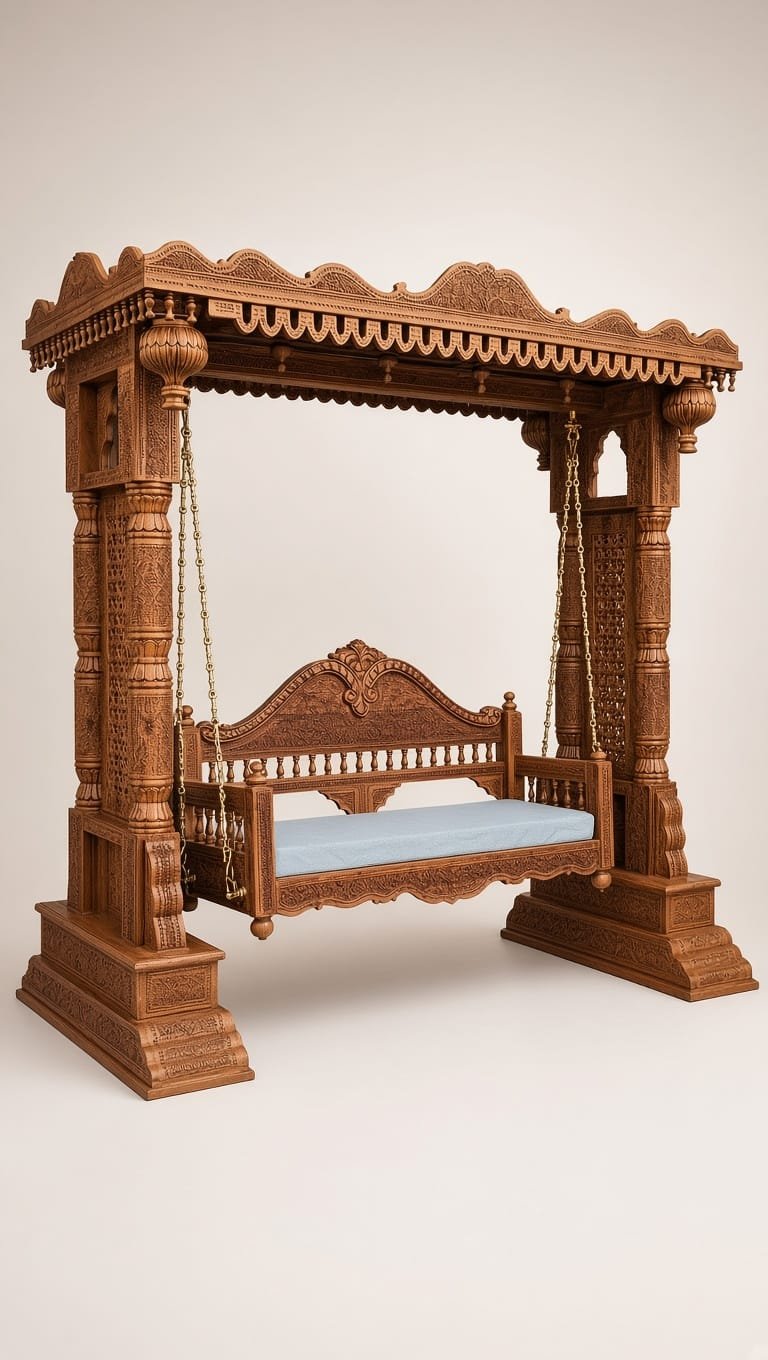
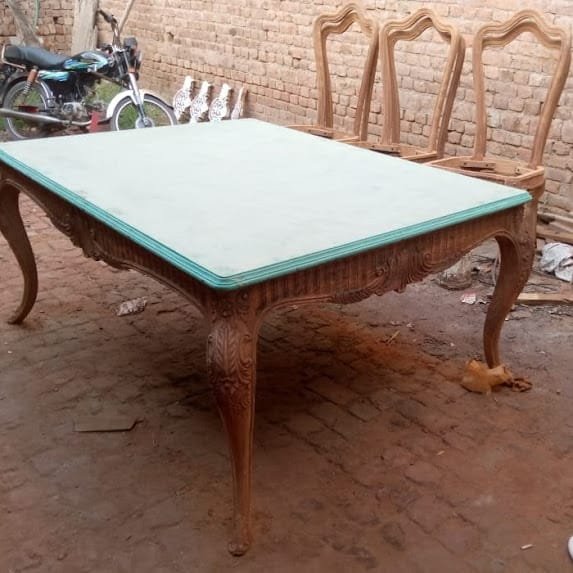
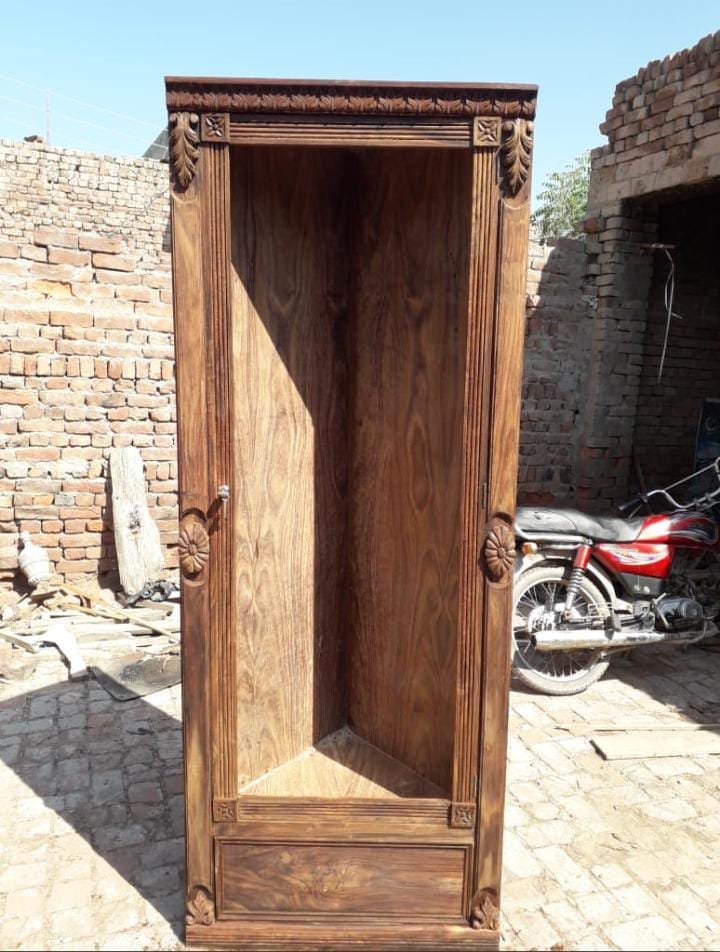
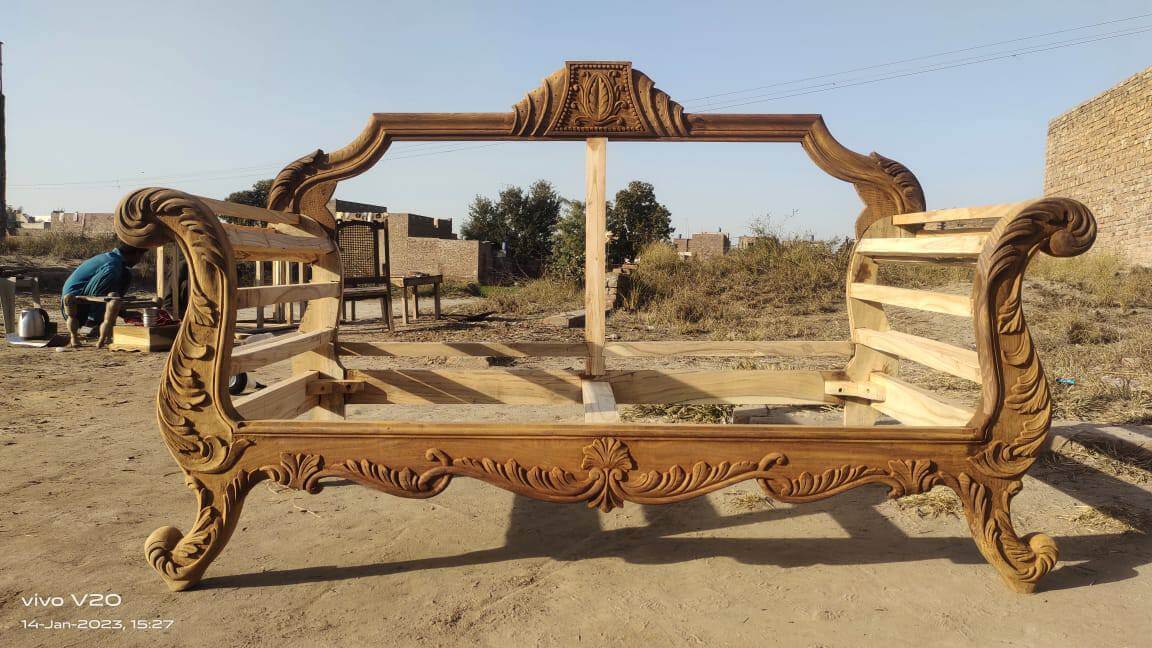
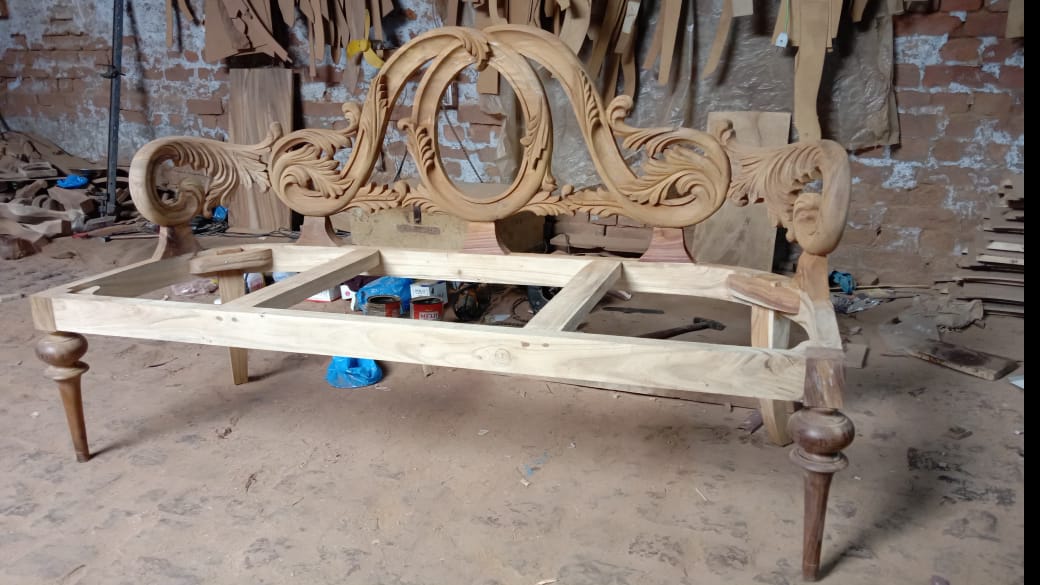
For a traditional Pakistani interior, handcrafted wooden tables with carved details can add warmth and character. Solid wood furniture also works well with classic sofas and wooden seating.
For a modern interior, cleaner lines, simpler profiles, and minimal detailing can create a more contemporary appearance.
If your room already contains heavily carved furniture, a simpler table can create balance. Similarly, a detailed wooden centre table can add character to an otherwise minimal room.
Why Solid Wood Tables Are a Long-Term Choice
A well-made solid wood table can remain useful for many years when properly maintained. Wood also has a natural appearance that works across different interior styles.
For homeowners looking for handcrafted furniture, Sheesham wood is a popular choice in Pakistan because of its strength, natural grain, and warm appearance.
The quality of construction matters just as much as the material. Strong joinery, properly seasoned wood, and careful craftsmanship can help a table remain stable and attractive over time.
Frequently Asked Questions
What is the ideal coffee table size?
For an average living room, a coffee table around 42–48 inches long and 24–30 inches wide is a practical starting point. The final size should depend on your sofa and available floor space.
How high should a coffee table be?
A coffee table is commonly around 16–18 inches high. Ideally, its height should be close to the seat height of the surrounding sofa.
What are standard console table dimensions?
Standard console tables are often around 28–32 inches high, with lengths commonly ranging from 48–60 inches and depths around 12–16 inches.
How much space should be between a sofa and coffee table?
Around 14–18 inches is generally comfortable, providing enough legroom while keeping the table accessible.
Is a round or rectangular coffee table better?
Neither is universally better. Rectangular tables work well with longer sofas, while round tables can make movement easier and soften a room with many straight lines.
Find the Right Coffee & Console Tables
Once you know the appropriate dimensions, the next step is choosing a design that matches your room and furniture. Explore our Coffee Tables & Consoles collection to find options suitable for different living spaces and interior styles.
Internal Link: Coffee Tables & Consoles → [Link to your Coffee Tables & Consoles category page]
Final Thoughts
The right table should feel naturally connected to the furniture around it. When selecting a coffee table, focus on the coffee table size, sofa proportions, and walking clearance. For entryways and walls, pay close attention to console table dimensions, especially depth and available space.
Taking accurate measurements before buying can help you create a comfortable, balanced, and functional living space while making sure your furniture looks proportionate.