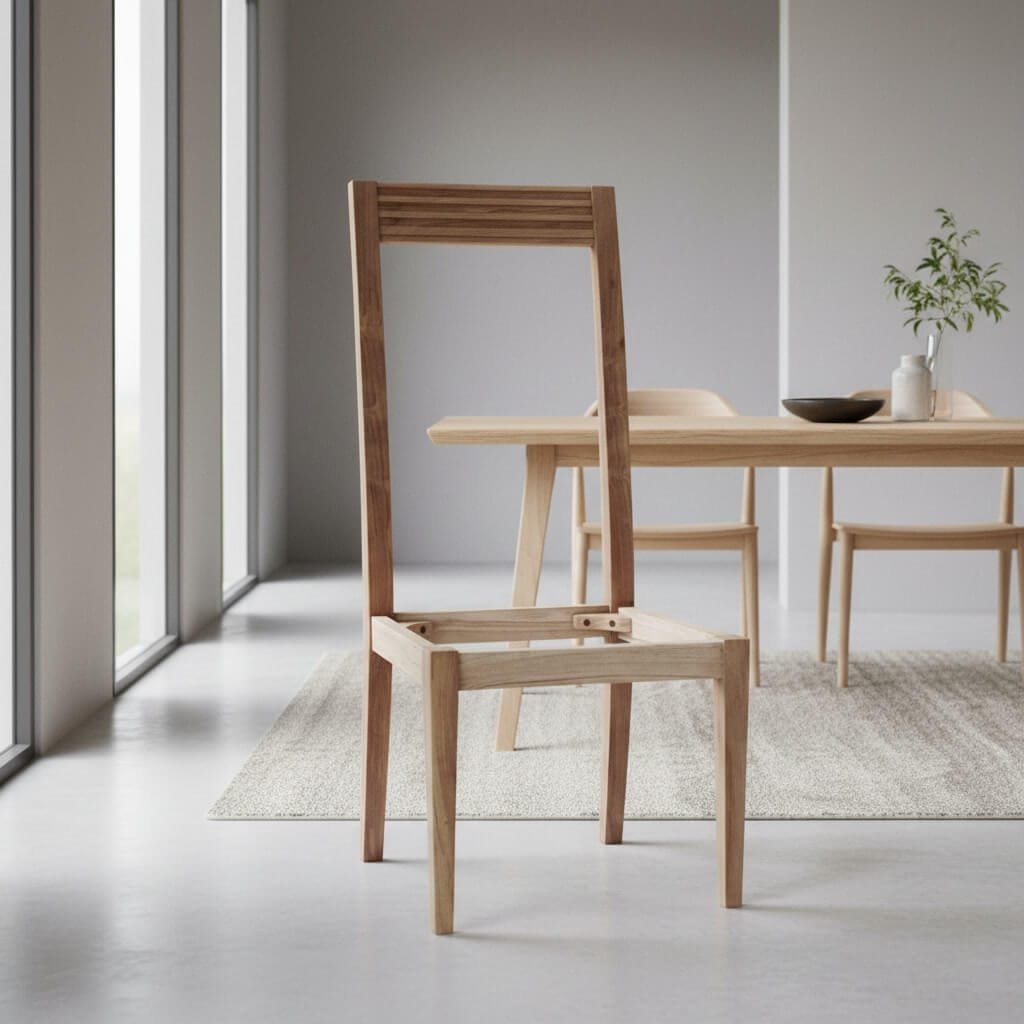
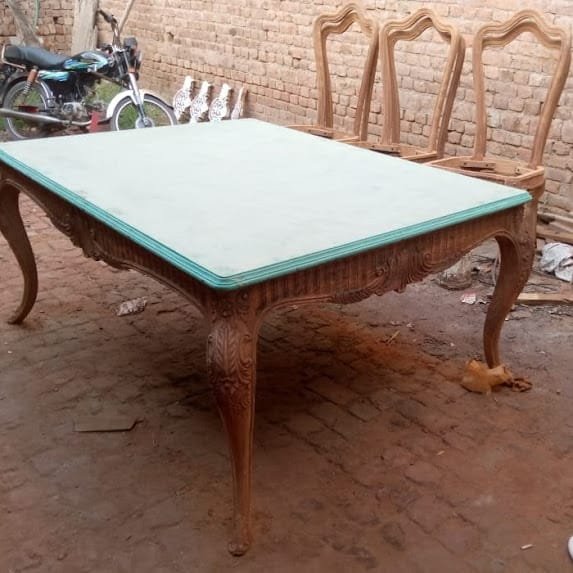
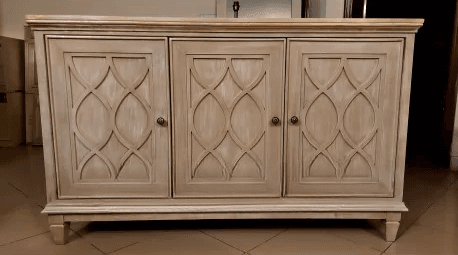




Choosing the right wood is the single biggest decision you’ll make before buying furniture. It decides how long the piece lasts, how it ages, how much maintenance it needs, and how much you’ll actually spend over its lifetime, not just at checkout. In Pakistan, three woods dominate the conversation: Sheesham, Teak, and Oak. Each has a different origin story, a different price point, and a different reason people choose it. This guide breaks down all three in detail, covering durability, climate performance, cost, and long-term care, so you can pick the right wood for your bedroom, dining set, or everyday furniture, not just the trendiest one.
What Makes a Wood “Good” for Furniture in Pakistan?
Before comparing species, it helps to know what actually matters in Pakistan’s climate: hot, dry summers in Punjab, humid coastal conditions in Karachi, and cooler, damper winters in the northern regions. A wood that performs well in one zone can underperform badly in another, which is exactly why local sourcing matters as much as the species itself.
- Density and hardness: Determines resistance to dents, scratches, and daily wear from regular household use
- Moisture response: How well the wood handles humidity swings without warping, cracking, or swelling at the joints
- Grain and finish: Affects how the wood looks once polished or left in a raw, natural frame
- Termite and pest resistance: Critical in a country where untreated softwoods don’t survive long, especially in humid coastal cities
- Availability and craftsmanship: Locally available woods are easier to source, repair, and match if a piece ever needs restoration
- Weight and structural stability: Heavier hardwoods generally resist wobble and joint failure better over years of use
Sheesham checks nearly every box for local conditions, which is a big part of why it remains the standard choice across Pakistani furniture markets, and specifically why it defines the Chinioti Furniture tradition.
Sheesham Wood: The Local Standard
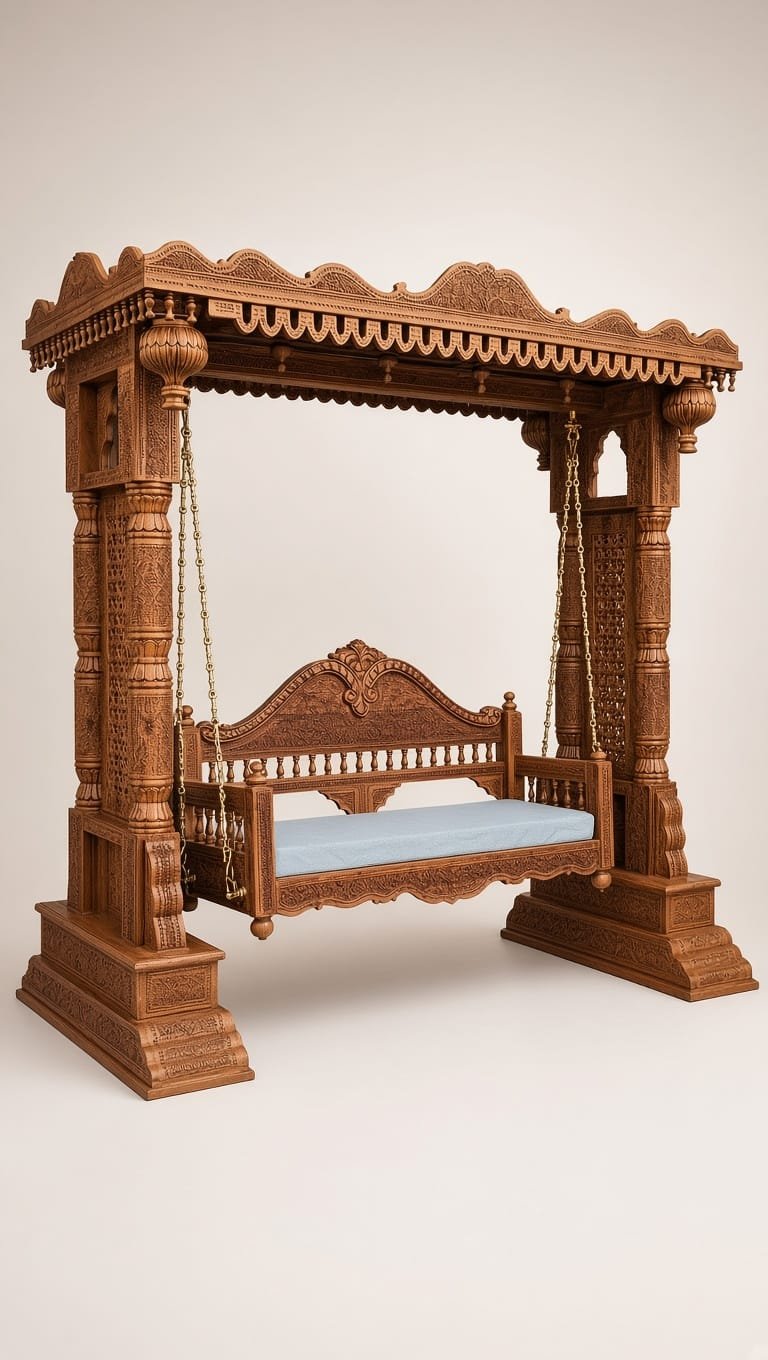
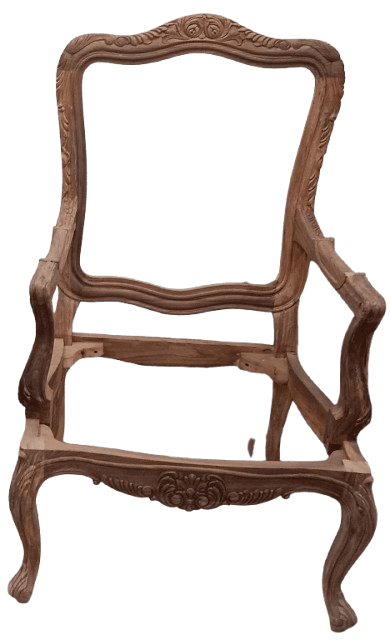
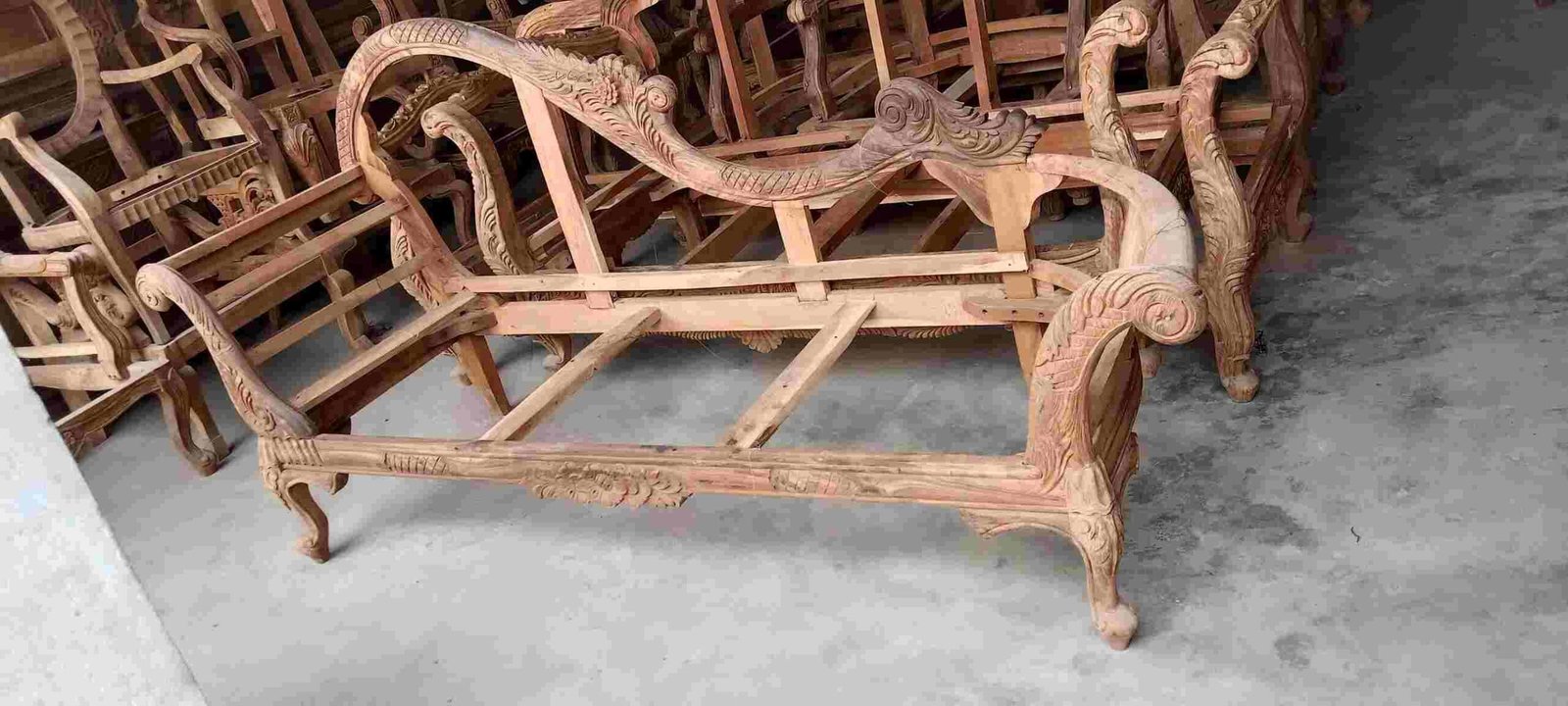
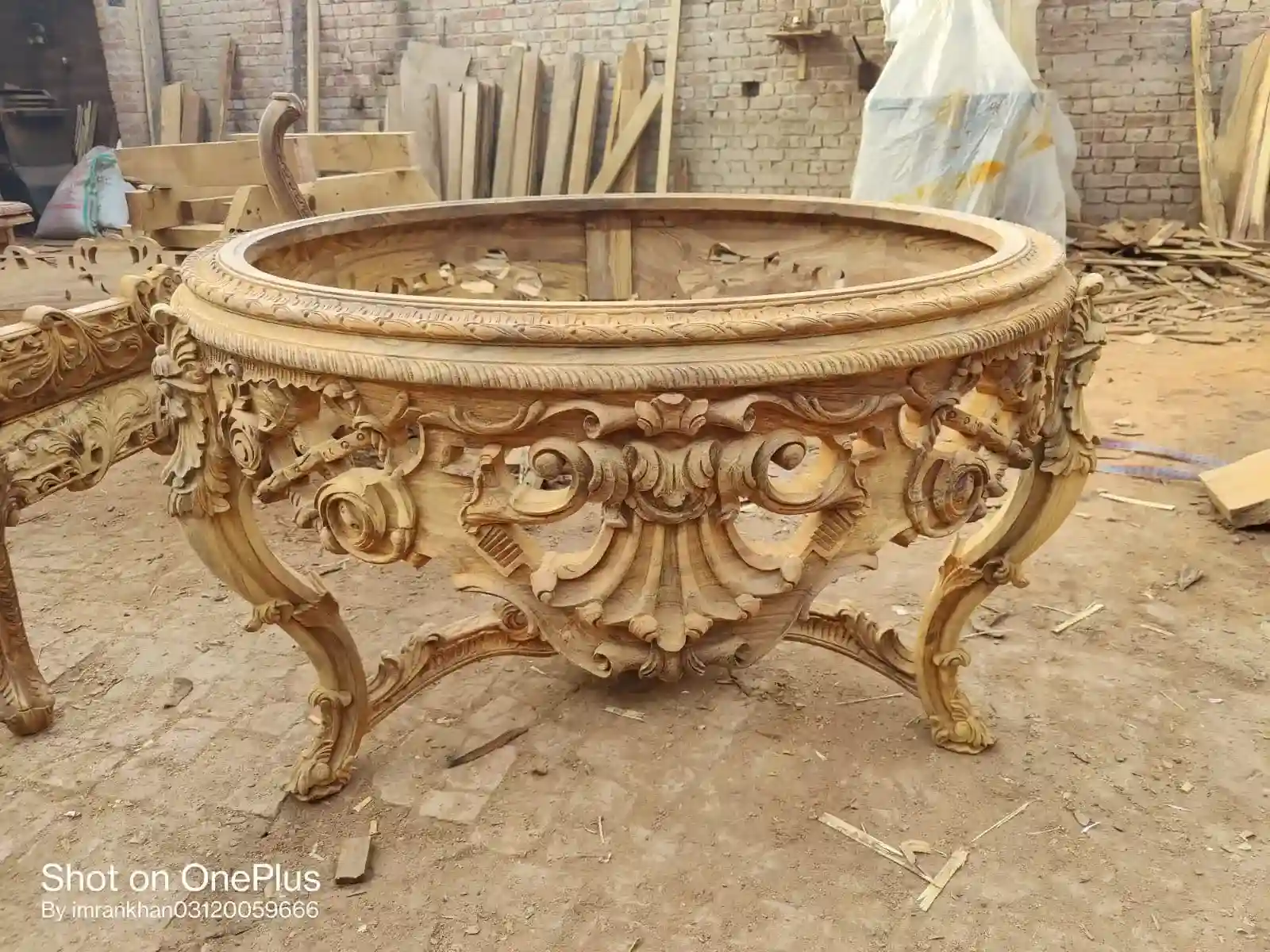
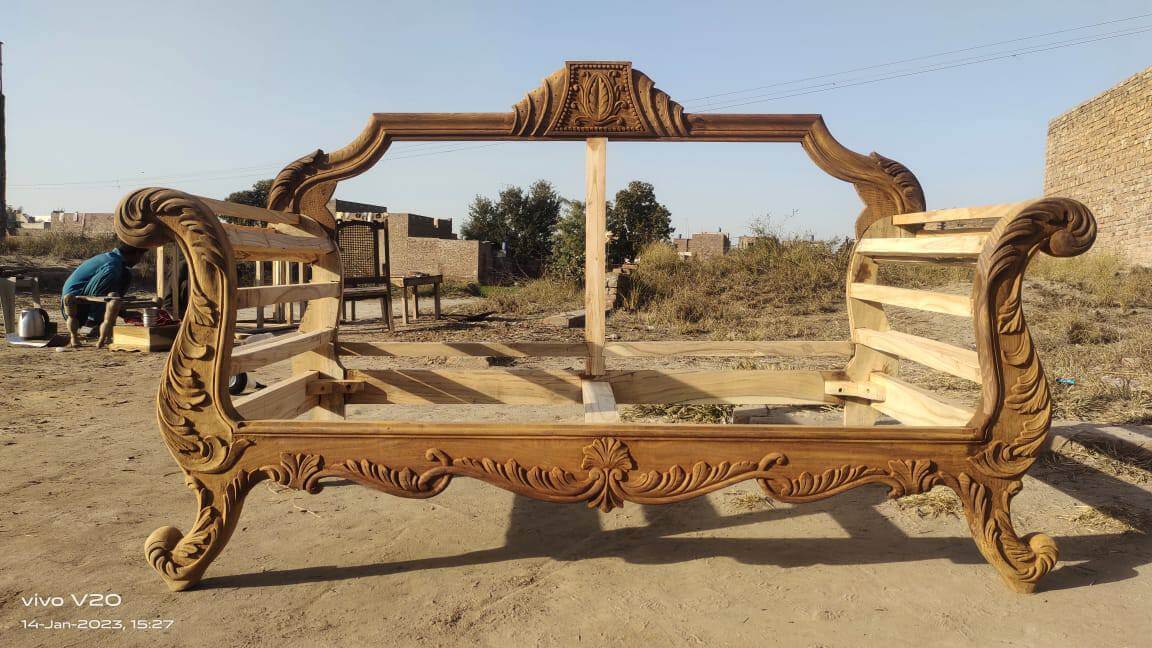
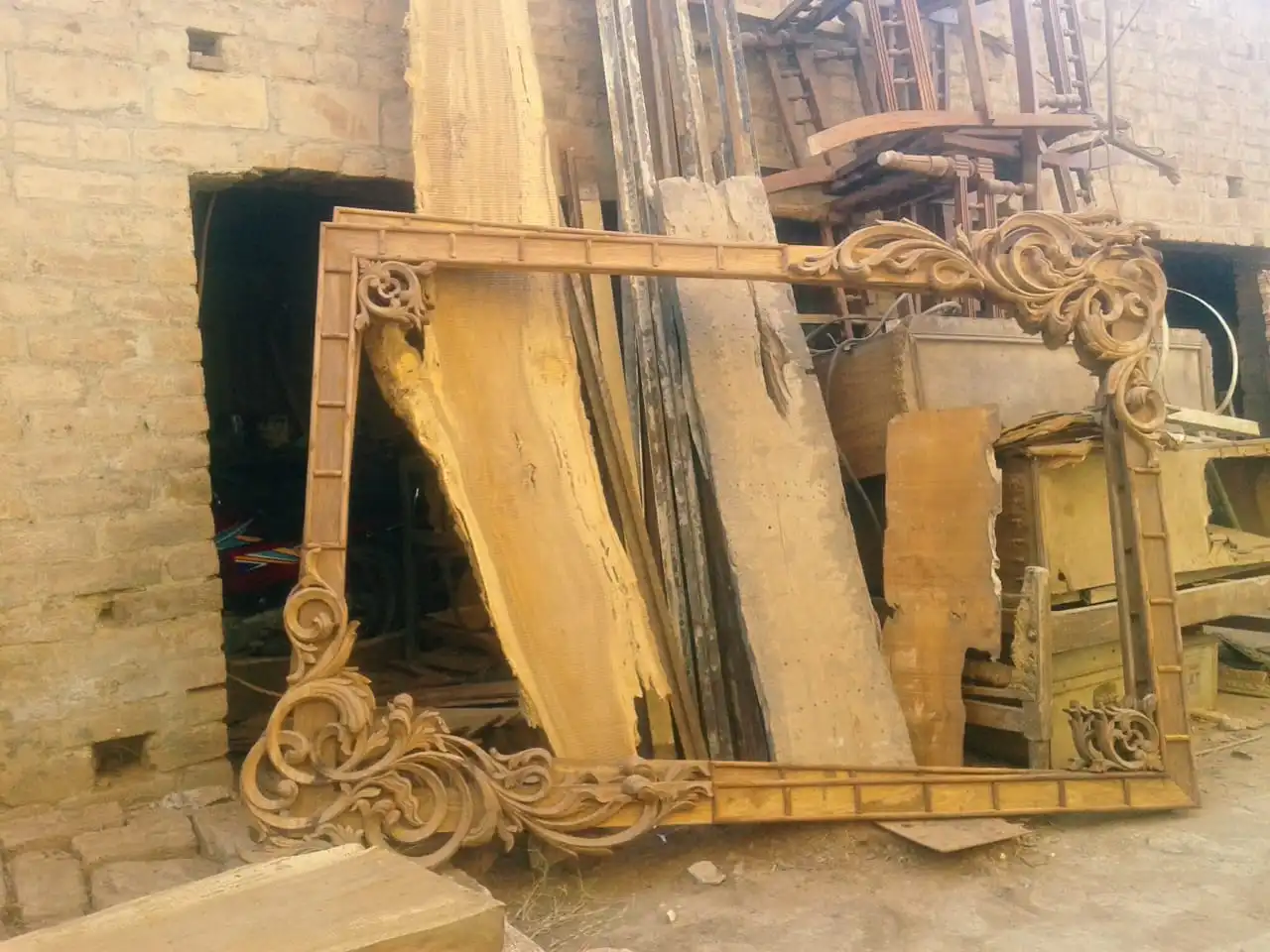
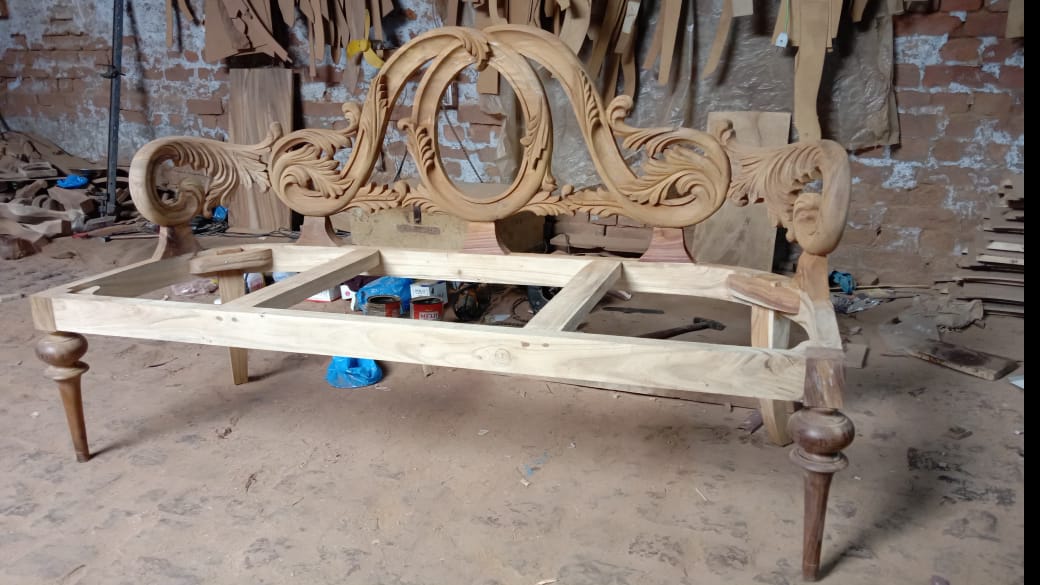
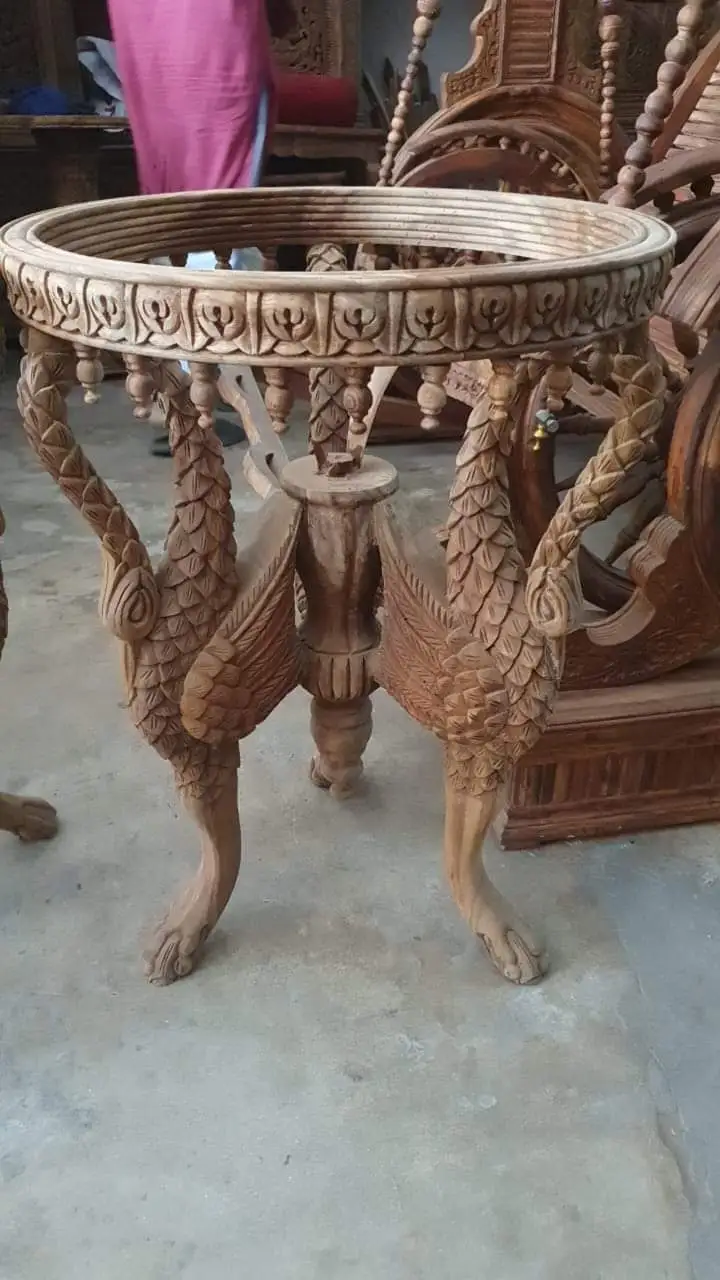
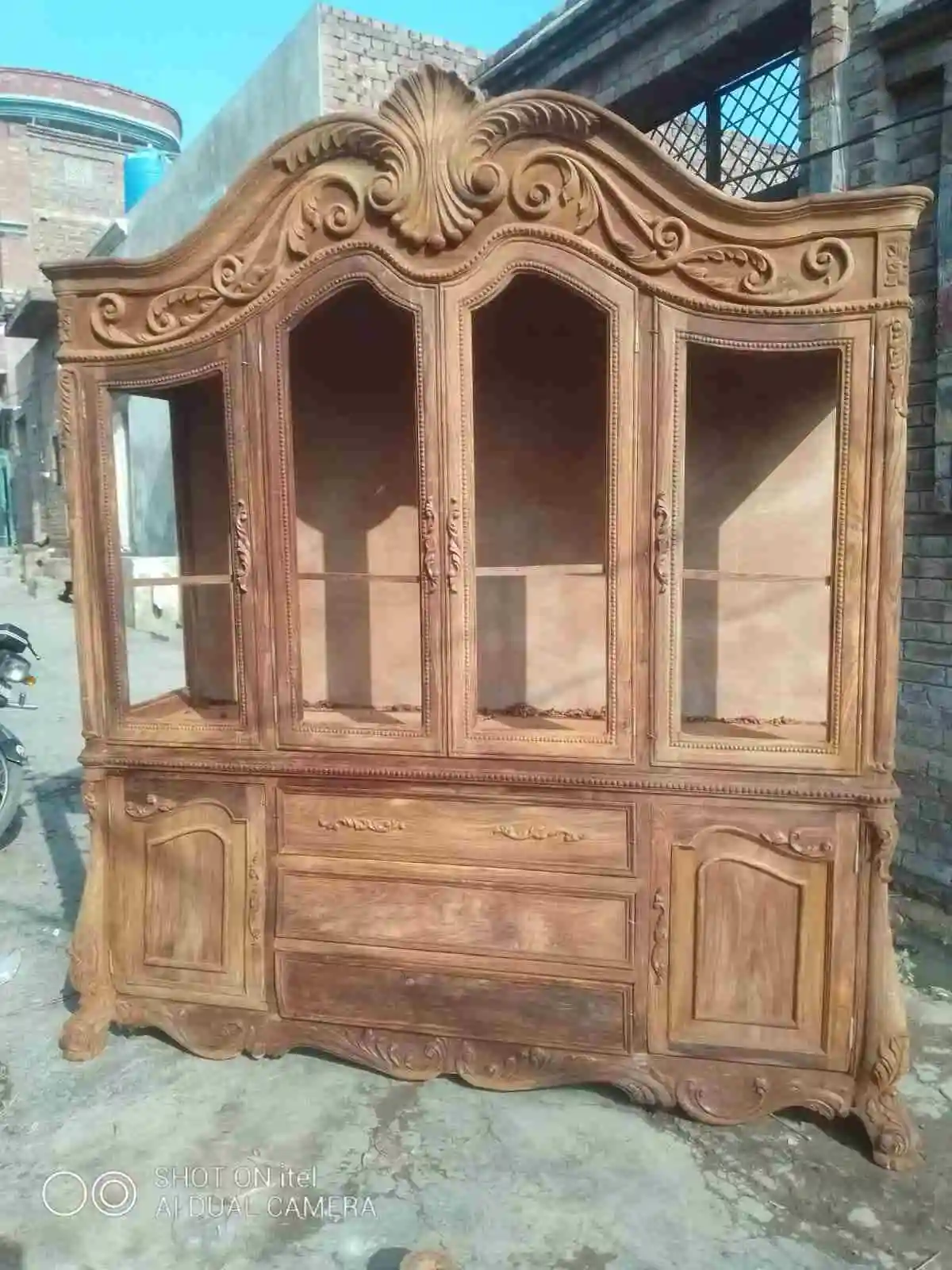
Sheesham (Dalbergia sissoo), also called Pakistani rosewood, is the wood most associated with Chinioti Furniture, the solid wooden furniture tradition centered in Chiniot, Punjab, known for generations of hand-carved and raw-frame craftsmanship. Chiniot’s furniture industry grew around this specific tree because it was abundant locally along the Chenab riverbelt, and generations of craftsmen refined techniques specifically suited to its density and grain.
Why Sheesham holds up in Pakistan:
- Naturally dense and hard, so it resists dents and daily wear better than most imported softwoods
- High natural oil content gives it strong resistance to termites and moisture, without needing heavy chemical treatment
- Deep brown tones with a visible, distinctive grain that darkens attractively with age instead of looking worn
- Grown and processed locally, so raw material cost and craftsmanship cost stay more reasonable than imported alternatives
- Works exceptionally well for raw, unfinished frame furniture, since the grain is strong enough to be left natural rather than heavily lacquered
- Performs consistently across Pakistan’s varied climate zones, from dry Punjab heat to humid coastal air
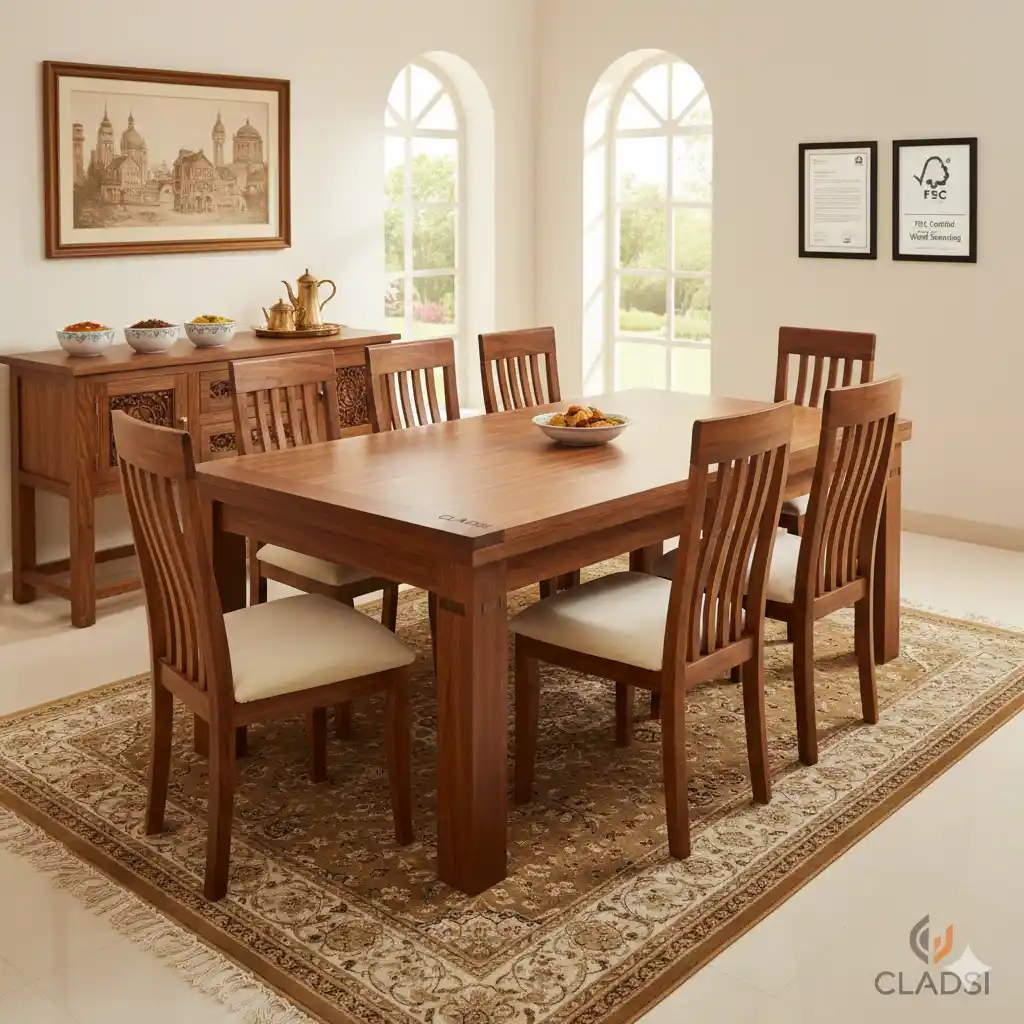
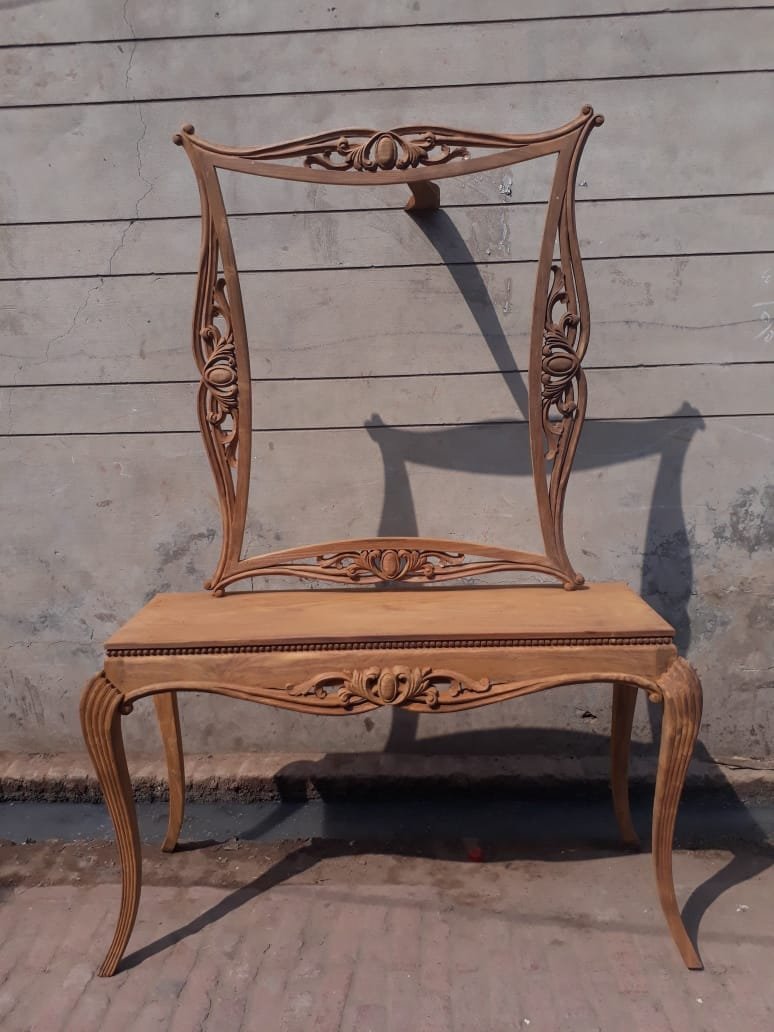
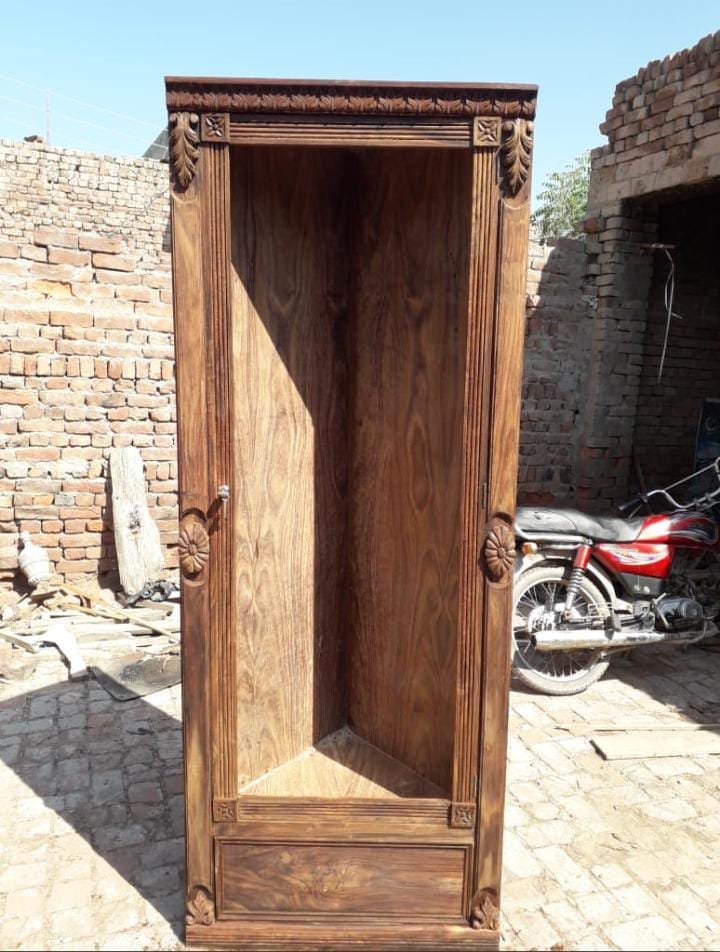
Where it’s commonly used: Beds, dining tables and chairs, sofa frames, wardrobes, coffee tables, and almost every category associated with Chinioti Furniture craftsmanship. Raw-frame Sheesham pieces in particular have become popular because they let the wood’s natural grain and strength stand on its own, without a heavy polished finish hiding the material.
Trade-off: Sheesham is heavy. A solid Sheesham bed frame or dining table is not something you casually rearrange, but that same weight is part of why it’s so structurally stable and resistant to wobble over years of daily use.
Teak Wood: Imported Durability
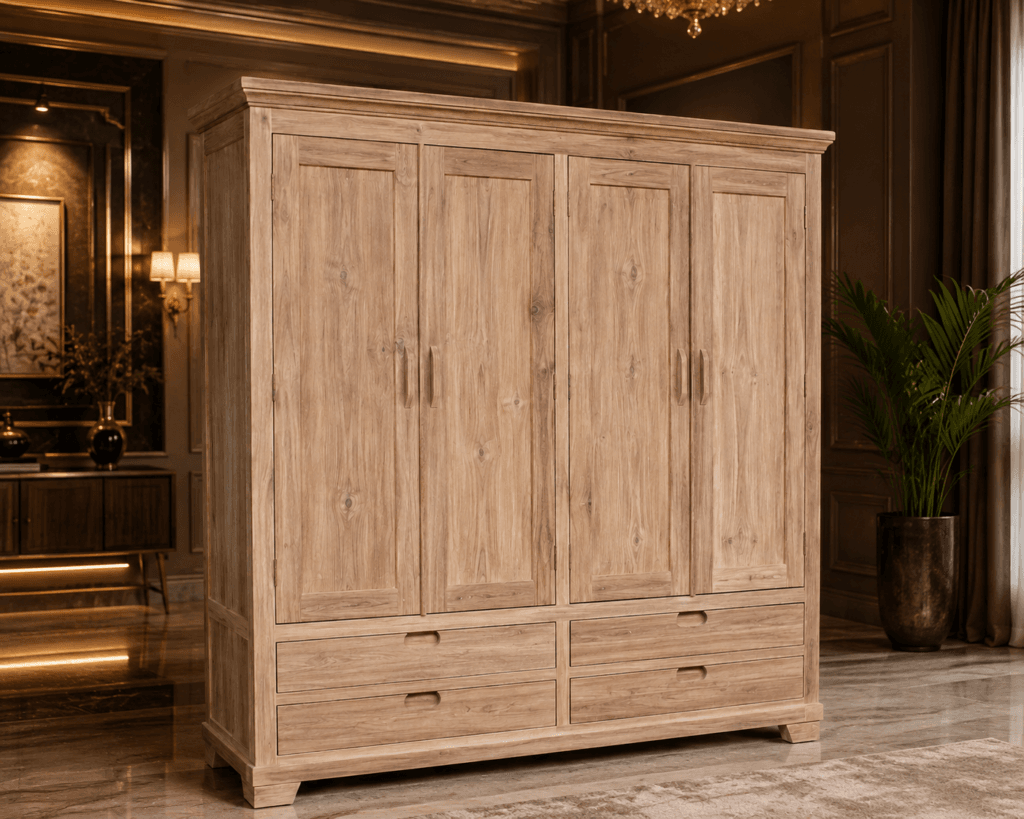
Teak (Tectona grandis) is prized globally for outdoor and marine furniture because of its natural water resistance and oil content. It has a long track record in shipbuilding and outdoor decking, which is where its reputation for durability comes from.
Strengths:
- Excellent resistance to water and humidity, making it a strong choice for balconies, verandas, or coastal cities like Karachi
- Naturally smooth, straight grain with a golden-brown tone that many buyers find visually appealing
- Long lifespan when properly maintained, often outlasting other woods in direct weather exposure
Trade-off in Pakistan: Genuine teak is largely imported, which pushes prices well above local Sheesham for comparable pieces. It’s also less common for the kind of raw, carved frame work associated with Chinioti Furniture, since most teak here goes into finished, polished pieces rather than raw-frame designs. Sourcing genuine teak locally can also be inconsistent, since supply depends on import volumes rather than a steady domestic timber base.
Oak Wood: The Premium Import
Oak is common in Western furniture markets but far less native to Pakistani manufacturing, which shapes both its price and its availability here.
Strengths:
- Very hard and durable, with a pale, light grain that suits modern and minimal interiors
- Handles heavy daily use well and holds up under weight
- Popular for buyers specifically seeking a lighter, Scandinavian-style aesthetic rather than the darker tones typical of local hardwoods
Trade-off in Pakistan: Oak is almost entirely imported, which makes it the most expensive of the three by a wide margin. Sourcing, matching, and repairing Oak furniture locally is also harder simply because it isn’t part of the traditional supply chain the way Sheesham is, and finding craftsmen experienced specifically with Oak can be more difficult outside major cities.
Sheesham vs Teak vs Oak: Quick Comparison
| Factor | Sheesham | Teak | Oak |
|---|---|---|---|
| Origin | Locally grown (Punjab) | Mostly imported | Mostly imported |
| Termite resistance | Excellent (natural oils) | Excellent | Moderate |
| Price in Pakistan | Most affordable | Mid-high | Highest |
| Grain look | Rich, dark, distinctive | Golden, straight grain | Light, pale grain |
| Best suited for | Beds, dining sets, raw-frame Chinioti Furniture | Outdoor/humid-area furniture | Modern, minimal interiors |
| Weight | Heavy, very stable | Medium | Medium-heavy |
| Local craftsmanship availability | Extensive (generations of expertise) | Limited | Limited |
| Repair and matching | Easy, widely available | Moderate | Difficult |
How to Choose Between Sheesham, Teak, and Oak
The right choice usually comes down to three questions: where will the furniture sit, what’s the budget, and what look are you going for?
- If the furniture stays indoors in a bedroom, living room, or dining area, Sheesham is almost always the more practical choice. It’s built for exactly this use case and comes with decades of local craftsmanship behind it.
- If the furniture will face regular moisture or outdoor exposure, such as an open balcony, veranda, or covered patio, Teak’s water resistance gives it a real functional edge.
- If the priority is a specific pale, minimal aesthetic rather than durability or cost, Oak fits that visual niche, though buyers should expect to pay a premium for it.
- If budget and long-term value matter most, Sheesham consistently offers the best balance of durability, local repairability, and price.
Sheesham Across Pakistan’s Climate Zones
One detail often missed in generic wood comparisons is that Pakistan isn’t one climate, it’s several, and Sheesham performs consistently across all of them.
- Punjab (Lahore, Chiniot, Faisalabad): Hot, dry summers and moderate winters. Sheesham’s natural density resists cracking that can affect softer woods under prolonged heat exposure.
- Karachi and coastal Sindh: High humidity year-round. Sheesham’s natural oil content gives it a real advantage here, resisting the moisture absorption that leads to warping in untreated softwoods.
- Northern areas (Islamabad, Murree, Gilgit-Baltistan): Cooler, damper winters. Solid Sheesham holds its joints well through seasonal temperature and humidity shifts, unlike engineered wood products that can delaminate.
This climate versatility is part of why Sheesham became the standard for Chinioti Furniture rather than a regional preference limited to Punjab alone. Furniture made from it travels well across the country without needing region-specific treatment.
Sheesham vs Engineered Wood (MDF/Plywood)
It’s worth addressing this comparison too, since many buyers cross-shop solid Sheesham against MDF or plywood furniture before deciding. Engineered wood is lighter and often cheaper upfront, but it doesn’t hold up the same way in Pakistan’s humidity, particularly along the coast, where MDF can swell and delaminate over a few years. Solid Sheesham costs more initially but avoids that replacement cycle entirely, which is a major reason raw-frame Sheesham furniture has seen renewed demand from buyers who got burned by engineered alternatives in the past.
Caring for Sheesham Furniture
One reason Sheesham remains dominant in Chinioti Furniture is how little maintenance it demands compared to imported alternatives.
- Dust regularly with a dry or slightly damp cloth to prevent buildup in the grain
- Avoid placing raw-frame pieces in direct, prolonged sunlight, which can gradually lighten the natural tone
- Apply furniture oil or wax occasionally on raw-frame pieces to enhance the grain and add a light protective layer
- Keep pieces slightly elevated from consistently damp flooring, especially in humid regions, to protect the base from long-term moisture exposure
- Tighten joints and hardware periodically, since natural wood can shift very slightly with seasonal humidity changes
Because Sheesham handles Pakistan’s climate without needing heavy chemical treatments, this routine care is usually enough to keep a piece looking and performing well for well over a decade.
Why Sheesham Remains the Best Wood for Furniture in Pakistan
For most households, the decision comes down to value versus purpose. If you want furniture that’s built to last decades, handles local humidity without treatment, and reflects genuine local craftsmanship, Sheesham is hard to beat. It’s the backbone of the entire Chinioti Furniture industry for a reason, built on generations of woodworking knowledge specific to this exact species. Teak makes sense if water exposure is a real concern, such as an open balcony. Oak fits best when the priority is a specific pale, modern aesthetic and budget isn’t the deciding factor. For anyone furnishing a home in Pakistan for long-term use rather than a short-term look, Sheesham bed frames, dining sets, sofa frames, and wardrobes remain the most consistently reliable choice across bedroom furniture, dining furniture, and living room furniture categories alike.
Frequently Asked Questions
1. Is Sheesham better than Teak for beds?
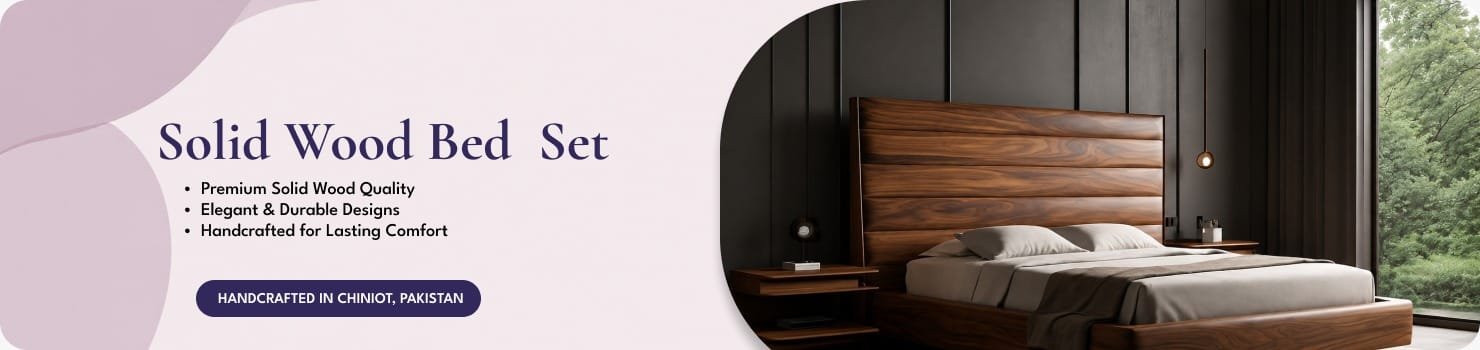
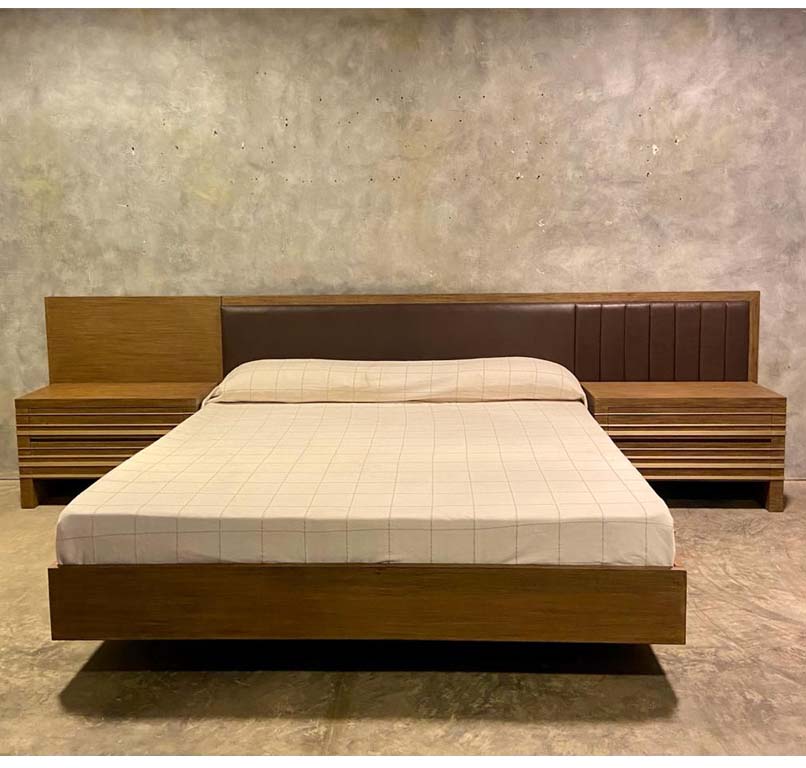
For beds used indoors, yes. Sheesham offers comparable durability at a significantly lower cost, and it’s the standard wood behind most Chinioti Furniture bed frames sold across Pakistan.
2. Why is Chinioti Furniture mostly made from Sheesham?
Sheesham is grown locally in Punjab and has been the foundation of Chiniot’s furniture-making tradition for generations. It’s dense, termite-resistant, and suited to the raw, hand-carved frame style the region is known for.
3. Does raw-frame Sheesham furniture need polish to last?
No. Raw Sheesham frames rely on the wood’s natural oils and density for protection, though occasional oiling or wax can enhance the grain’s appearance over time.
4. Is Oak or Teak worth the extra cost over Sheesham?
Only for specific needs. Teak suits high-moisture outdoor use, and Oak suits a particular pale, modern look. For everyday indoor furniture, Sheesham delivers comparable durability at a fraction of the price.
5. How do I tell genuine Sheesham furniture from a cheaper substitute?
Genuine Sheesham has a heavy weight, a visible dark, wavy grain, and a distinct natural aroma when freshly cut or sanded. Lighter, uniformly colored wood is usually a substitute.
6. How long does Sheesham furniture typically last?
With basic care, solid Sheesham furniture commonly lasts well beyond 15 to 20 years, often outliving furniture made from softer or engineered materials.
Final Thoughts
At the end of the day, wood choice isn’t just about looks. It’s a decision that affects how furniture performs for the next 15 to 20 years in Pakistan’s climate. Sheesham continues to lead because it was built for these conditions long before “durability” became a marketing word: it’s local, termite-resistant, and forms the real backbone of Chinioti Furniture craftsmanship. Teak and Oak have their place, but for most homes, Sheesham remains the wood that balances cost, strength, and authenticity best, whether you’re furnishing a bedroom, a dining space, or a living room from the ground up.